Archives
- 2026-07
- 2026-06
- 2026-05
- 2026-04
- 2026-03
- 2026-02
- 2026-01
- 2025-12
- 2025-11
- 2025-10
- 2023-07
- 2023-06
- 2023-05
- 2023-04
- 2023-03
- 2023-02
- 2023-01
- 2022-12
- 2022-11
- 2022-10
- 2022-09
- 2022-08
- 2022-07
- 2022-06
- 2022-05
- 2022-04
- 2022-03
- 2022-02
- 2022-01
- 2021-12
- 2021-11
- 2021-10
- 2021-09
- 2021-08
- 2021-07
- 2021-06
- 2021-05
- 2021-04
- 2021-03
- 2021-02
- 2021-01
- 2020-12
- 2020-11
- 2020-10
- 2020-09
- 2020-08
- 2020-07
- 2020-06
- 2020-05
- 2020-04
- 2020-03
- 2020-02
- 2020-01
- 2019-12
- 2019-11
- 2019-10
- 2019-09
- 2019-08
- 2019-07
- 2019-06
- 2019-05
- 2019-04
- 2018-07
-
PD research involves the use of
2023-06-30
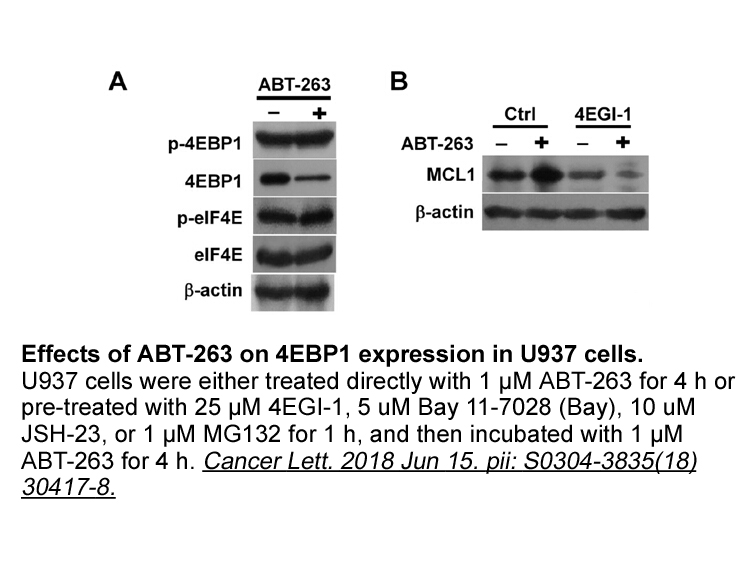
PD research involves the use of many animal models, which can be categorized into two main types: toxic models—among which the two most widely used are the classical 6-hydroxydopamine (6-OHDA) model in rats and the 1-methyl-4-phenyl-1,2,3,6-tetrahydropyridine (MPTP) model in mice and monkeys—and gen
-
The Limitations of our data include
2023-06-30
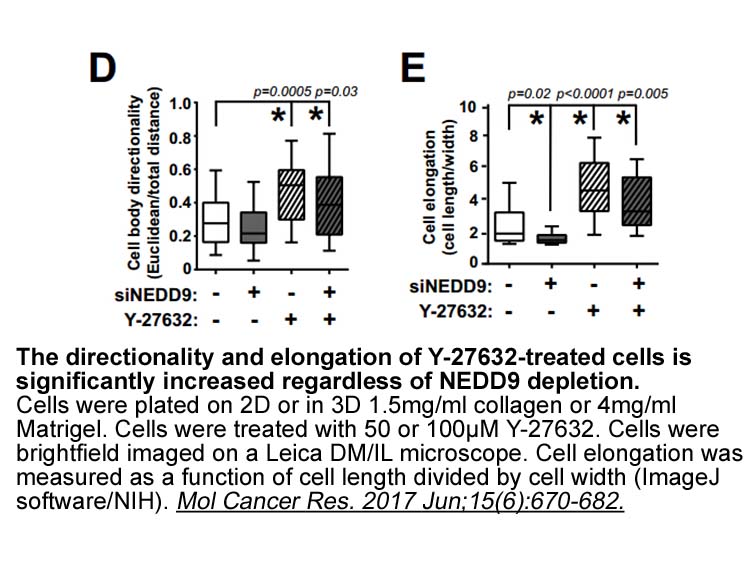
The Limitations of our data include the absence of functional/behavioral assessments and lack of direct comparison with females which would require additional studies and conceivably support sex-specific interventions for stroke [50]. Competing interests Acknowledgements This study was suppor
-
Chlorogenic acid an abundant polyphenol found in coffee
2023-06-30
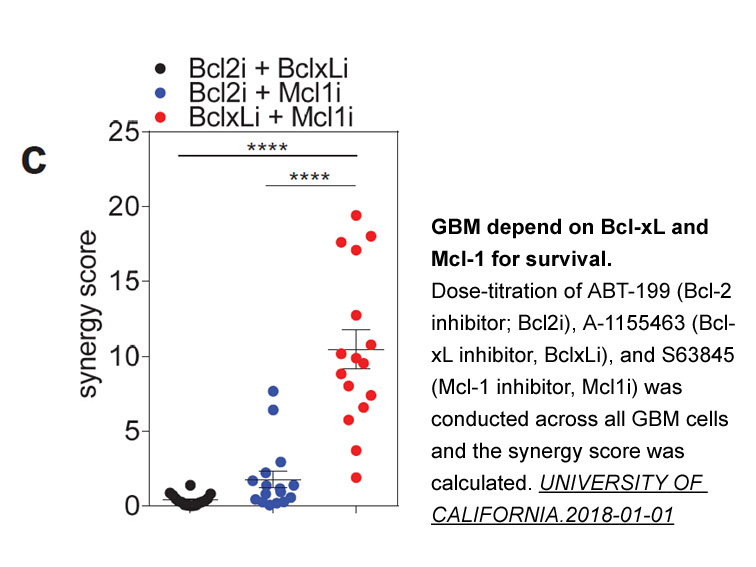
Chlorogenic CTX0294885 (7), an abundant polyphenol found in coffee and the human diet, has various biological activities including antioxidant and anticancer effects [54]. Jiang et al. reported that compound 7 had a selective cytotoxic activity on human oral tumor cells (HSG, HSC-2) as compared wit
-
br Materials and methods br Results br
2023-06-28
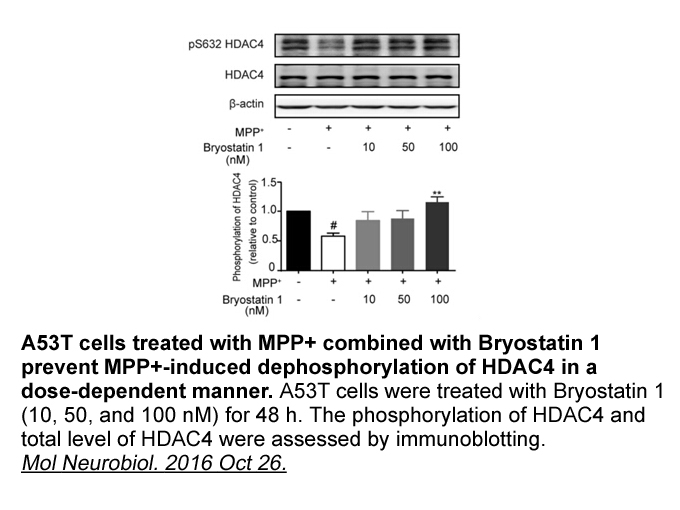
Materials and methods Results Discussion Recently, we showed that stimulation of TRPM3 and TRPC6 channels triggers a signaling cascade leading to the activation of AP-1 [11], [12], [13], [15]. The objective of this study was to investigate whether stimulation of TRPV1 channels leads to an a
-
Echinocandin resistance is systematically associated with po
2023-06-27
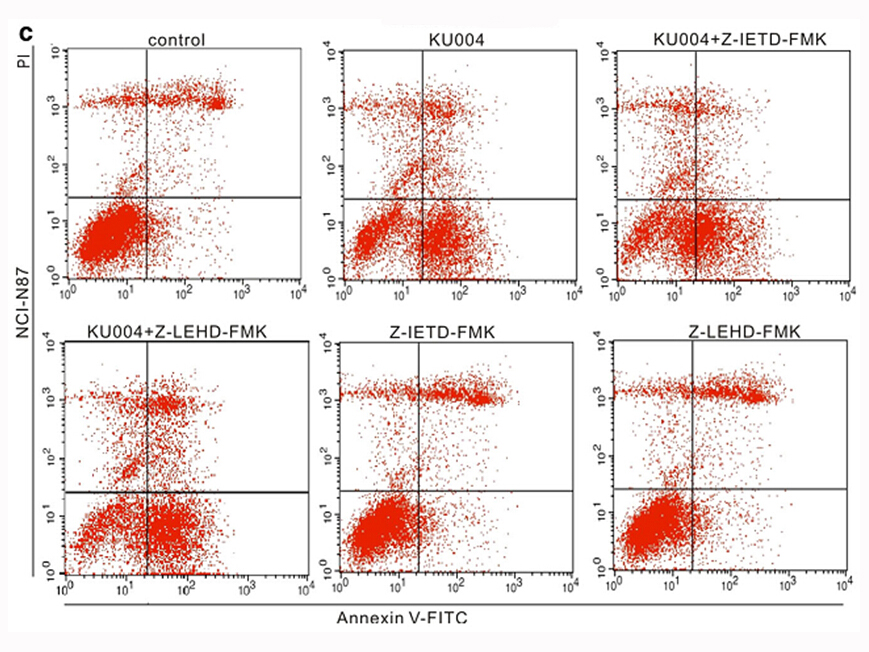
Echinocandin resistance is systematically associated with point mutations in either FSK1 or FSK2 genes [7], [104]. These mutations are located in two different not spot regions of these genes named HS1 and HS2. Hot spot mutations have been reported in C. albicans, C. glabrata, C. tropicalis, C. krus
-
A Venn diagram representing RNA seq data that show the
2023-06-25
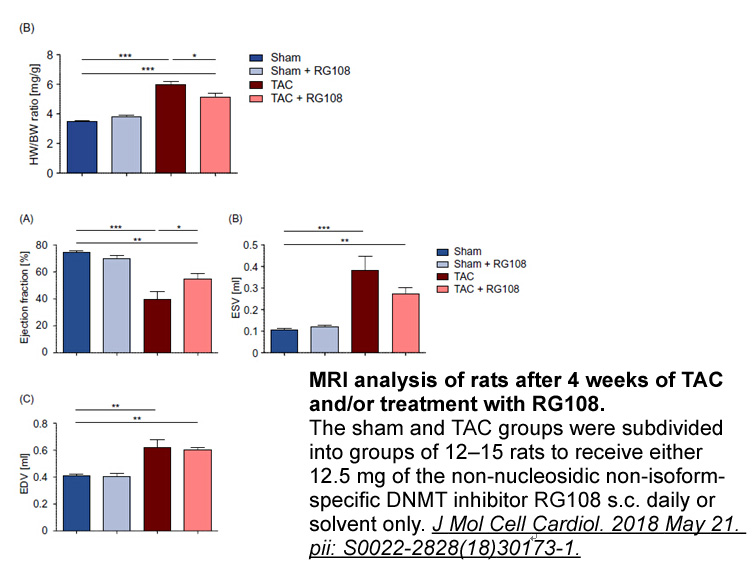
A. Venn diagram representing RNA-seq data that show the number of gene overlaps in GFP and HepKO livers after chronic PF-06409577 dosing. B. Top canonical pathways that changed according to Ingenuity Pathway Analysis after chronic PF-06409577 dosing. C. Fibrosis-related genes that were altered in GF
-
Moreover mice exposed to high cholesterol
2023-06-21

Moreover, mice exposed to high-cholesterol diet have mildly activated astrocytes, increased expression of ApoE and aquaporin-4 in the hippocampus, and altered levels of proteins associated with Aβ metabolism (Chen et al., 2016), which is related to a higher demand for cholesterol transport and the n
-
It is important to note that stable amnesia is
2023-06-17
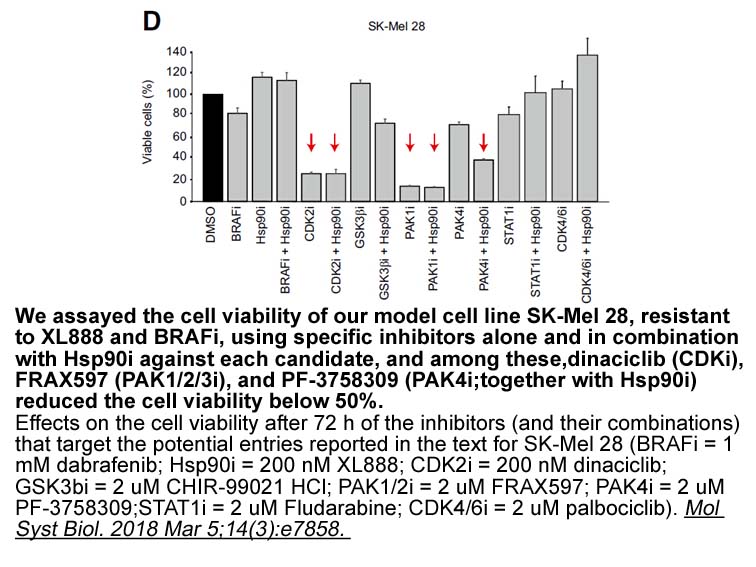
It is important to note that stable amnesia is, apparently, a general biological phenomenon and can be found in different animal species. In studies on rats, it was found that if reconsolidation of conditioned olfactory aversion memory was impaired by the antagonist of NMDA glutamate receptors, amne
-
In our H K ATPase assay
2023-06-13
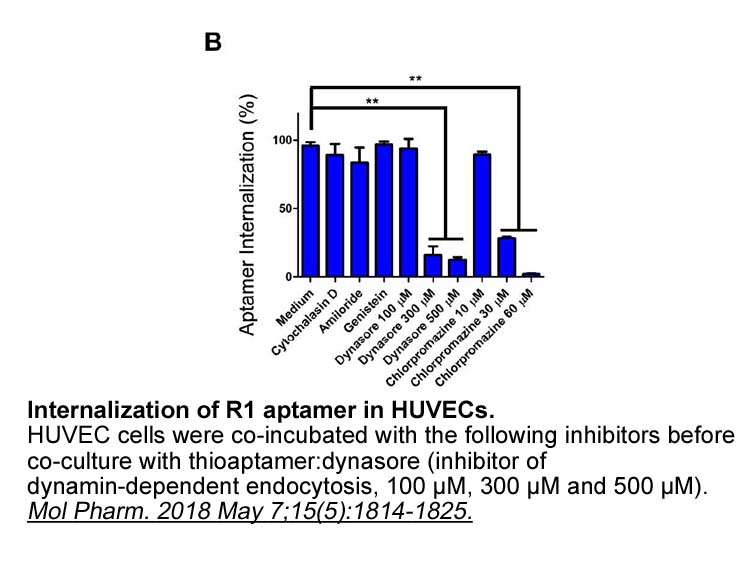
In our H+, K+-ATPase assay (Fig. 1 and Supplementary Fig. 1), myricetin (IC50 = 0.58μM) was more potent than acid-activated omeprazole (IC50 = 1.50μM). In contrast, in oral administration in mice (Fig. 3), omeprazole (20mg/kg) more effectively inhibited gastric Malonic acid synthesis secretion comp
-
br AD and COX LOX pharmacology
2023-05-30
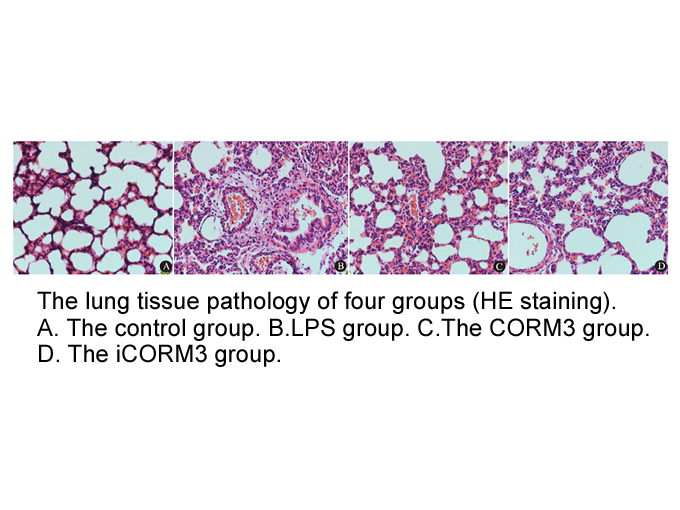
AD and COX/5-LOX pharmacology Early studies on the role of cyclooxygenases in AD were inspired by epidemiological data suggesting that COX inhibitors such as nonsteroidal anti-inflammatory drugs (NSAIDs) could be beneficial in AD patients (Lucca et al., 1994, McGeer et al., 1990). This line of re
-
Since the localization of LO depends
2023-05-30

Since the localization of 5-LO depends on phosphorylation, we also analyzed the phosphorylation profile of 5-LO-WT and all isoforms by Western blot using specific sodium salt against the phosphorylation sites S271 and S523. Whereas phosphorylation at S271 activates the 5-LO, inhibits nuclear export
-
The main function of ATR CHK
2023-05-30
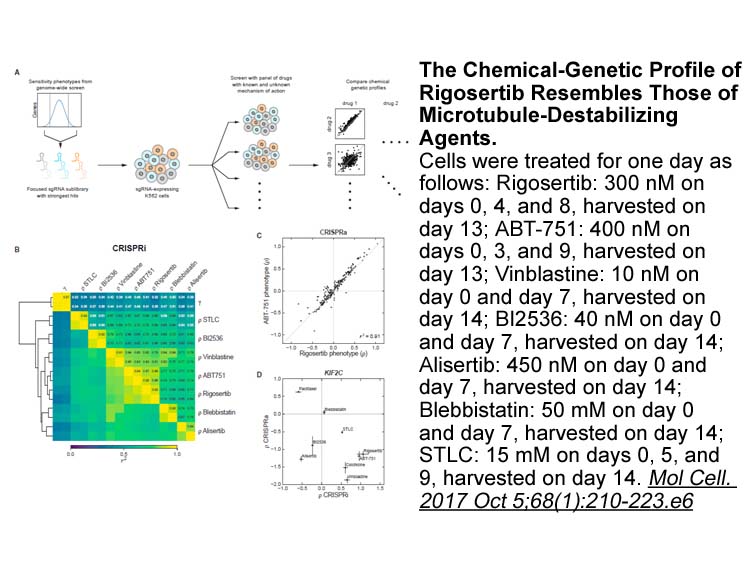
The main function of ATR/CHK1 signaling is activating prexasertib australia checkpoint arrest for S and G2 phases in mammalian cells. There are three checkpoints in response to DNA damage: G1/S, G2/M, and S-phase. The G2/M checkpoint can prevent cells that incur DNA damage in G2 phase or progress i
-
Macitentan br Materials and methods br Acknowledgement
2023-05-29

Materials and methods Acknowledgement This work was supported by the Beijing Natural Science Foundation (Grant no. 6151001), and the National Natural Science Foundation of China (Grant no. 31572516). Introduction Staphylococcus aureus is an important microorganism responsible for both clin
-
br Method of literature search br Disclosures br Acknowledgm
2023-05-29
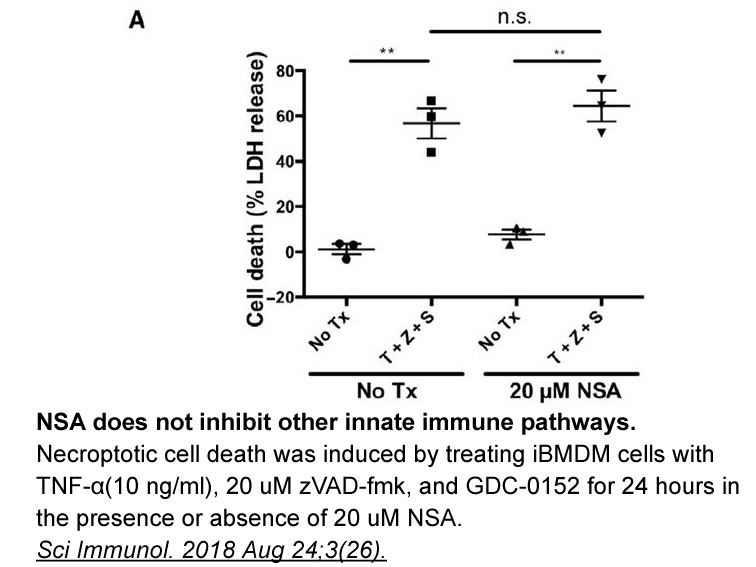
Method of literature search Disclosures Acknowledgment The authors thank and acknowledge Mrs. Jaini Parekh, BFA, for illustrating the diagram in Figure 1. An overview of angiogenesis Angiogenesis is a biological process through which there is the formation of new blood vessels from pre-
-
Pregnane X receptor PXR is a nuclear receptor that plays
2023-05-29
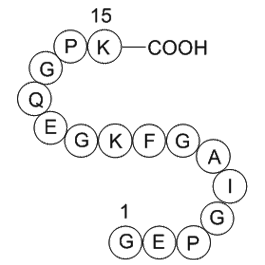
Pregnane X receptor (PXR) is a nuclear receptor that plays an important role in regulation of metabolism and disposition of structurally diverse xenobiotics as well as endogenous steroids and bile acids (Bertilsson et al., 1998, Kliewer et al., 1998, Lehmann et al., 1998). PXR regulates the metaboli
11431 records 30/763 page Previous Next First page 上5页 2627282930 下5页 Last page